A Knock on the Door: The Quiet Ritual That Saves Marine Lives
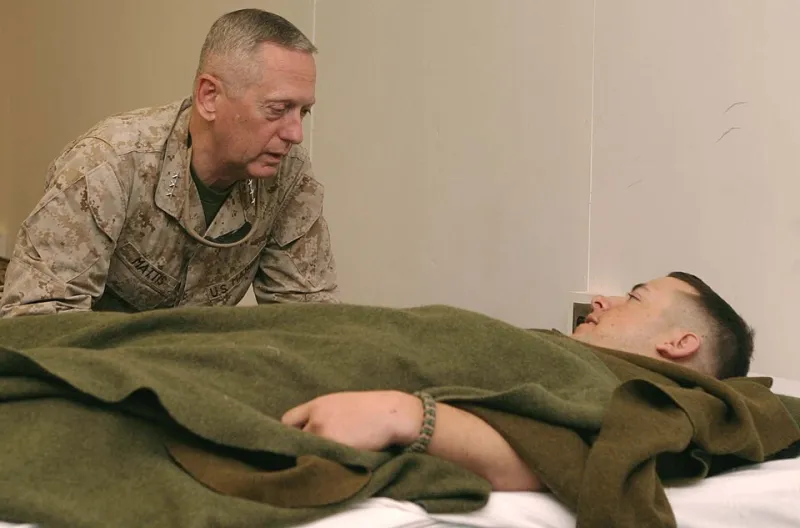
Photo: Lance Cpl. Ryan B. Busse, Public domain, via Wikimedia Commons
In the Corps, accountability is a discipline drilled into every recruit from the first morning at Parris Island or San Diego. A fire watch stands its post. A battle buddy knows where you are. Nobody walks alone. It should come as no surprise, then, that when the uniform comes off and Marines scatter across towns and cities from Camp Lejeune to the Puget Sound, many carry that same instinct with them: nobody gets left behind.
September marks Suicide Prevention Awareness Month across the United States, and for the Marine Corps community, it is a moment to talk plainly about a hard subject. Veterans die by suicide at rates well above the civilian population, and Marines are not immune. But within that sobering reality lies a tradition of quiet heroism — Marines checking on Marines, sometimes with nothing more than a phone call, a porch visit, or a text that says, simply, thinking about you, brother. You good?
What a Buddy Check Actually Looks Like
The term "buddy check" originated in aviation and dive communities, but Marines have made it their own. At its core, it is a deliberate, intentional contact with a fellow Marine — not a casual like on a social media post, but a real conversation.
A meaningful buddy check might look like:
- A phone call, not a text. Hearing a voice tells you more than a screen ever will.
- A visit. Show up. Bring coffee. Sit on the tailgate of a truck and let the conversation wander.
- A direct question. Do not dance around it. Asking someone directly whether they are struggling — or whether they have thought about hurting themselves — does not plant the idea. Research consistently shows the opposite: direct questions open doors.
- Follow-up. One conversation matters, but the second and third calls are where trust is built.
Veterans who have been on both sides of these conversations often describe the same thing: the call they almost did not make, and the life it changed. A Marine in Ohio who struggled after his second deployment credits a former squadmate's unannounced visit with pulling him back from the edge. "He didn't have a speech prepared," he recalls. "He just showed up and refused to leave until we talked."
Recognizing the Warning Signs
Families are often the first to notice that something has changed, long before the veteran himself or herself can put words to it. Warning signs worth taking seriously include:
- Withdrawal from friends, family, and activities that once brought joy
- Increased alcohol use or reliance on prescription medications
- Talk of being a burden, of having no future, or of "everyone being better off"
- Dramatic shifts in sleep — too much or too little
- Giving away possessions or settling affairs unexpectedly
- Irritability, rage, or recklessness that is out of character
No single sign is proof of a crisis. But a cluster of them, especially after a life stressor such as job loss, divorce, a disciplinary matter, or the anniversary of a loss, warrants action.
Where to Turn: Resources for Marines and Families
No Marine or family member should navigate this alone. Several proven resources stand ready:
- Veterans Crisis Line: Dial 988, then press 1. Free, confidential, available around the clock to veterans and their loved ones, even if the veteran is not enrolled in VA care.
- Marine Corps' DSTRESS Line (1-877-476-7734): Staffed by counselors, many of them veterans, who understand the culture.
- Semper Fi & America's Fund: Long-term support for wounded, ill, and injured Marines and their families.
- VA Peer Recovery Support Specialists: Veterans helping veterans through shared experience.
- Unit and chapter networks: Marine Corps League detachments and veteran service organizations across the country host everything from coffee meetups to peer groups. Community is armor.
How to Start the Hard Conversation
Many people freeze at the prospect of raising the subject of suicide. The fear of saying the wrong thing is real, but silence is worse. A few principles help:
- Lead with care, not correction. "I've noticed you haven't seemed like yourself lately, and I'm concerned" opens a door. "You need help" slams it shut.
- Listen more than you speak. You do not need answers. You need to be present.
- Do not promise secrecy. If a life is at risk, you may need to involve others. Say instead: "I care about you too much to keep this between us if it means you're in danger."
- Stay until the next step happens. Help them call 988, drive them to an appointment, sit with them. A Marine does not hand off a casualty and walk away.
- Check back. The days and weeks after a crisis or a hard conversation are critical. Mark your calendar and make that second call.
A Watch That Never Stands Down
The Marine Corps teaches that the title "Marine" is earned once and held forever. That means the watch never truly stands down. Somewhere right now, a Marine in Texas is wondering whether to pick up the phone. Somewhere in Virginia, a Gold Star mother senses her son's old friend is struggling. Somewhere, a text message is about to save a life.
This September, make the call. Ask the direct question. Knock on the door. The bond forged in the Corps was never meant to expire — and for too many of our brothers and sisters, that knock, that call, that moment of being seen, has made all the difference.
If you or a Marine you know is in crisis, call 988 and press 1, or text 838255. Help is available, and no one fights alone.